Current tenders 🖊️
Advanced Design Project (ADP)
Flight decks play a crucial role in ensuring flight safety and operational efficiency, yet there is limited objective data on how frequently flight crew interact with individual cockpit systems during actual flights. Understanding which displays, panels, and controls are used most frequently can reveal valuable opportunities for automation and improved design. Recent advances in computer vision and machine learning allow us to analyze operational cockpit video to gain actionable insights. Such data-driven analysis can support the development of digital assistance solutions, ease pilot workload, and pave the way for concepts like reduced crew operations.
Supervisors: Johannes Zehnter, M.Sc., Johannes Kleudgen, M.Sc.
![]()
Masterthesis, Bachelorthesis, Advanced Design Project (ADP)
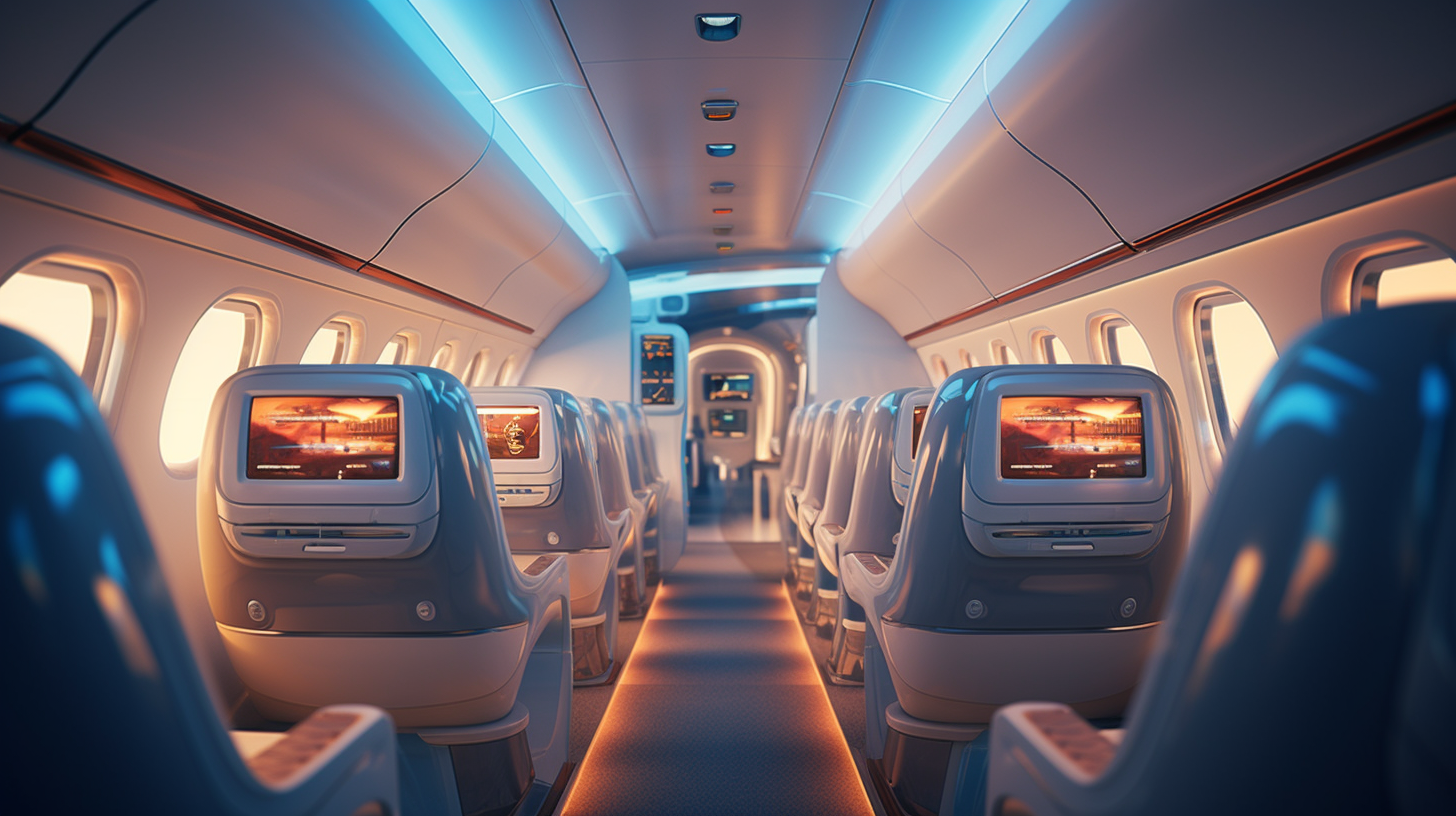
Airline catering, which includes food and beverage (F&B) services, plays a crucial role in shaping the passenger experience. Many travelers discuss the quality of the onboard F&B services. Excessive catering can result in significant waste, while insufficient catering can lead to unhappy passengers. According to IATA estimates, between $2 billion and $3 billion worth of F&B items are wasted each year. Moreover, the weight of unused F&B items contributes to unnecessary fuel consumption.
To address this issue, solutions can be found in determining optimal catering levels for every flight. The primary challenge is to gather objective data or develop a reliable model. Various concepts exist for collecting data on individual pre-, in-, or post-flight orders, utilizing behavioral analytics, or employing generic route modeling.
In this thesis:
The aim of this thesis is to build an image recognition collection algorithm to collect inflight food ordering data in a cabin mockup. Images are collected in a galley, on a food trolley, and withing a cabin, the data is then analyzed, and consumption will be identified. The data will be compared to the real consumption. The analysis should be on a cabin and an individual level and not include flight-attendant or passenger intervention. In a second step, an airline dashboard to show consumption levels shall be designed. The dashboard will be integrated into the TU-Darmstadt cabin simulator software environment.
Supervisors: M.Sc. Florian Coors, Prof. Dr.-Ing. Jens Schiefele
![]()